
Meal prepping has become a popular trend in recent years, and for good reason! Whether you’re a busy professional, a parent juggling multiple tasks, or someone looking to eat healthier, meal prepping offers a practical solution to save time, money, and stress. In this post, we’ll dive into some effective strategies for meal prepping and explore the many benefits it can offer.
What is Meal Prepping?
Meal prepping is the practice of preparing meals or meal components in advance, usually for the week ahead. This might involve cooking entire meals, chopping vegetables, marinating proteins, or cooking grains in bulk. By dedicating some time to meal prepping, you set yourself up for success by ensuring healthy, homemade meals are ready to go when you need them.
Benefits of Meal Prepping
- Saves Time One of the primary benefits of meal prepping is the time it saves during the week. Instead of spending hours every day in the kitchen, you can batch cook and spend just a fraction of the time reheating meals. This is especially helpful on busy weekdays when you don’t want to sacrifice quality for convenience.
- Helps with Portion Control Prepping meals in advance allows you to manage portion sizes more effectively. Whether you’re tracking your calories or simply want to avoid overeating, knowing that your meals are already portioned out makes it easier to stick to your goals.
- Promotes Healthier Eating When you meal prep, you’re in control of what goes into your food. This means you can choose fresh, nutritious ingredients and avoid the temptation of unhealthy fast food or takeout. Meal prepping makes it easier to stick to a balanced diet and make healthier choices throughout the week.
- Saves Money By buying ingredients in bulk and cooking meals at home, you can significantly cut down on food costs. Meal prepping also helps reduce food waste, as you’ll be using ingredients before they spoil, and you’ll be less likely to overbuy groceries.
- Reduces Stress The dreaded “What’s for dinner?” question can cause a lot of stress after a long day. Meal prepping removes this decision-making process and makes it easy to have a satisfying, healthy meal ready when you get home. It also eliminates the need for last-minute grocery store trips.
The following content may contain affiliate links. When you click and shop the links, we receive a commission.
Strategies for Effective Meal Prepping
- Plan Ahead The foundation of successful meal prepping is planning. Set aside some time each week to map out your meals, including breakfasts, lunches, dinners, and snacks. Consider your schedule and try to make your plan as realistic as possible. For example, I typically plan two large meals for dinners and breakfasts each week. For lunches, I keep it simple with prepped lunch meats or cut-up veggies for quick snacks. This approach saves time without feeling overwhelmed by complexity.
- Batch Cooking Batch cooking is essential for effective meal prepping. Instead of cooking every day, make large batches of staples like grains, proteins, and vegetables that can be mixed and matched throughout the week. For instance, I’ll cook a big batch of quinoa, roast a few chicken breasts, and steam various vegetables. With these basic ingredients ready, you can easily throw together a meal during the busy week.
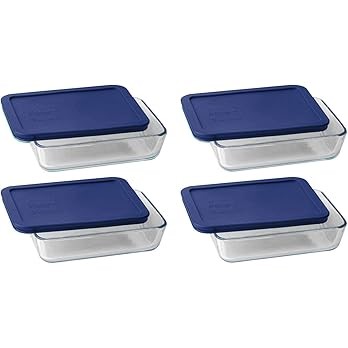
- Invest in Quality Containers Proper storage is essential for keeping your meal prep organized and fresh. Invest in durable, stackable containers that are both microwave- and dishwasher-safe. Glass containers are a great choice since they preserve freshness, resist staining, and don’t trap food odors like plastic often does. Personally, I use glass containers to portion out my meals and, about an hour before we’re ready to eat, I place them on hot logic heat plates. This ensures the food warms evenly without the need for a microwave.

- Keep It Simple Meal prepping doesn’t have to be complicated. Focus on simple, nutritious ingredients that are easy to prepare. Think of one-pot meals, sheet-pan dinners, and meals that require minimal effort but are still delicious. You can also rotate between a few basic meals throughout the week to keep things fresh without overwhelming yourself.
- Prep Ingredients, Not Just Meals If cooking full meals in advance doesn’t appeal to you, consider prepping ingredients instead. Chop vegetables, cook grains, marinate proteins, and store them in the fridge or freezer. This way, you can assemble your meals quickly during the week without having to start from scratch.
- Freezer-Friendly Options Don’t underestimate the power of the freezer when it comes to meal prepping. Soups, stews, casseroles, and even smoothie packs can be made in bulk and frozen for later use. Freezer meals are perfect for those busy days when cooking feels like a chore, but you still want a comforting, homemade meal. Preparing and freezing meals ahead of time will save you effort and ensure you always have something nutritious ready to eat.
- Stay Flexible Meal prepping doesn’t mean you have to eat the same thing every day. Prepare a variety of meals and swap out options as your mood or cravings change. Flexibility is key to keeping meal prepping enjoyable.
Final Thoughts
Meal prepping is more than just a time-saver—it’s a game-changer when it comes to making healthier choices, reducing stress, and improving your overall quality of life. With a little bit of planning and preparation, you can set yourself up for success and enjoy nutritious meals all week long. Plus, you’ll have more time to focus on the things that matter most!
So, whether you’re a seasoned meal prepper or just getting started, try implementing these strategies and see how they can enhance your daily routine. Happy prepping!

 wrightathome.blog